You Won’t Believe What Medellín’s Cityscape Hides—This Is Next-Level Urban Beauty
Medellín used to be a place travelers whispered about with caution. Now? It’s a vibrant urban dream glowing on the global stage. I walked its hillsides and rooftops, stunned by how nature, culture, and innovation blend into one breathtaking cityscape. From lush mountains framing modernist architecture to colorful barrios buzzing with life—Medellín isn’t just safe, it’s *alive*. This is urban beauty redefined, and you need to see it to believe it.
The Reinvention of a City
Once synonymous with violence and instability, Medellín has undergone one of the most remarkable urban transformations of the 21st century. In the 1980s and 1990s, the city faced severe challenges due to drug-related conflict, earning a reputation that kept tourists and investors at bay. But beginning in the early 2000s, a wave of visionary leadership, civic engagement, and targeted public investment began to shift the narrative. The transformation was not overnight, nor was it easy—but it was deeply intentional. City planners, social activists, and local government officials worked together to rebuild trust, restore infrastructure, and create inclusive spaces where residents could thrive.
Data supports this turnaround. According to Colombia’s National Police statistics, homicides in Medellín dropped by more than 95% between 1991 and 2020, falling from over 380 per 100,000 residents to fewer than 20. This dramatic decline reflects not just improved law enforcement but a holistic approach to urban equity. The city invested in education, housing, and cultural programs, particularly in historically marginalized neighborhoods. Libraries, community centers, and public art initiatives became tools for social cohesion. Medellín’s story is not about erasing its past, but about rising from it with dignity and purpose.
Today, the city is celebrated globally for its innovative governance. In 2013, Medellín was named the Most Innovative City in the World by the Urban Land Institute and the Wall Street Journal, a recognition that underscored its success in using urban design to address inequality. The transformation wasn’t limited to statistics—it changed the emotional landscape of the city. Residents speak with pride about their home, and visitors sense a palpable energy that blends warmth, creativity, and resilience. Medellín no longer apologizes for its history; instead, it uses that history as a foundation for a more hopeful future.
Skyline & Geography: Where Mountains Meet Modernity
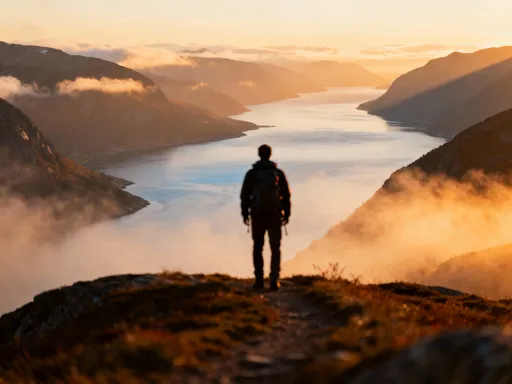
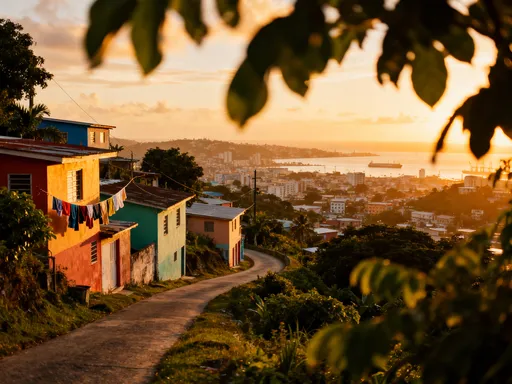
Nestled in a narrow valley of the Andes Mountains, Medellín’s geography is both its defining feature and a key to its visual allure. The city stretches approximately 75 kilometers along the Aburrá Valley, flanked by steep, verdant slopes that rise dramatically on either side. This unique topography creates a layered cityscape where buildings cascade down hillsides, rooftops blend into forested ridges, and the sky seems to meet the earth in a seamless embrace. Unlike flat metropolises that expand outward, Medellín grows vertically and organically, adapting to the natural contours of the land.
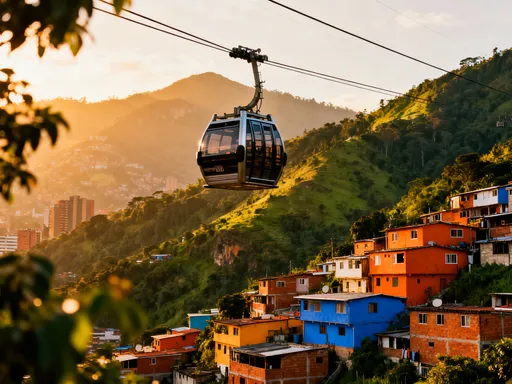
The interplay between nature and urban development is evident at every turn. In the early morning, mist curls around the peaks like soft breath, slowly revealing clusters of homes painted in bright yellows, blues, and terracottas. As the sun climbs, the city awakens in stages—first the valley floor with its commercial hubs, then the mid-level residential zones, and finally the hillside communities connected by ribbons of cable cars. This vertical rhythm gives Medellín a three-dimensional character that few cities possess. The skyline is not dominated by skyscrapers but by elevation, greenery, and light.
For visitors seeking the full scope of this natural-urban harmony, several vantage points offer unforgettable views. Cerro Nutibara, a hilltop park in the heart of the city, provides a panoramic overlook where the entire valley unfolds like a living map. From here, one can see the convergence of old and new—the historic downtown with its red-tiled roofs alongside modern high-rises and sleek transit lines. Equally impressive are the rooftop terraces of boutique hotels in El Poblado and Laureles, where guests sip coffee as the city sparkles beneath a lavender dusk. These perspectives do more than showcase beauty—they tell a story of a city that respects its environment while embracing progress.
The Role of Public Transit in Shaping the Urban View
One of the most striking aspects of Medellín’s cityscape is how seamlessly public transportation integrates with both function and form. The Medellín Metro, inaugurated in 1995, was the first of its kind in Colombia and remains a model of efficiency and accessibility. But beyond its practical role, the metro system—along with the Metrocable and electric escalators—has become an integral part of the city’s visual identity. Riding the Metrocable, a gondola lift that ascends into the hills, is not just a commute; it’s a journey through layers of urban life, offering cinematic views of rooftops, courtyards, and mountain backdrops.
The Metrocable was designed to connect isolated hillside communities to the economic and social heart of the city. Before its construction, residents in areas like Santo Domingo and Acevedo faced long, difficult walks up steep paths just to reach work or school. The cable cars changed that, reducing travel time and opening doors to opportunity. Each line—Line K, Line J, and Line L—serves a different neighborhood, linking them to the main metro line and, by extension, to the broader city. But these aren’t just transit routes; they are corridors of transformation. Stations are architecturally distinct, often featuring glass walls, modern lighting, and public art that reflect the identity of the surrounding community.
Equally revolutionary are the outdoor electric escalators in Comuna 13, a neighborhood once marked by conflict and neglect. Stretching over 300 meters up a steep incline, these escalators are more than a convenience—they are a symbol of dignity and inclusion. Residents no longer struggle uphill with groceries or children; instead, they move with ease, reclaiming time and energy. For visitors, riding the escalators offers a ground-level immersion into daily life, with murals unfolding step by step and local vendors greeting riders with smiles. This fusion of infrastructure and humanity redefines what public transit can be: not just a means of transport, but a bridge to connection, safety, and pride.
Colorful Barrios: Street Art and Community Identity
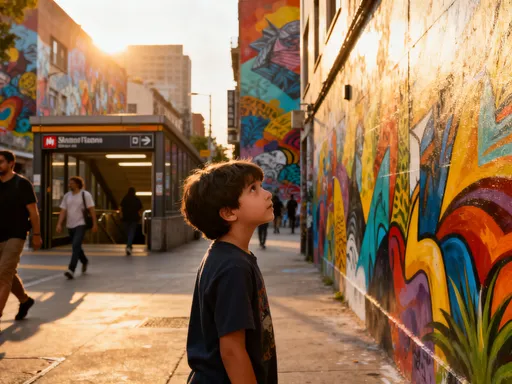
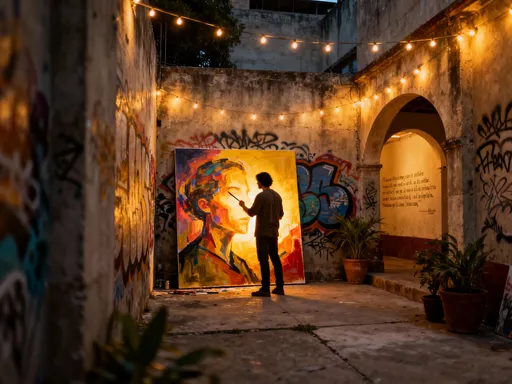
Nowhere is Medellín’s creative spirit more vivid than in its barrios, where street art has become a language of resilience and rebirth. Comuna 13, once one of the city’s most dangerous neighborhoods, now stands as a testament to the power of art to heal and inspire. Its narrow, winding streets are alive with murals—some towering over entire buildings, others tucked into alleyways like hidden messages. The colors are bold: electric blues, fiery reds, sunburst yellows—each stroke a declaration of identity and hope.
These artworks are not random graffiti but carefully crafted pieces created by local collectives and international artists alike. Many depict historical figures, cultural symbols, or scenes of everyday life—mothers cooking, children playing, musicians dancing. Others carry deeper messages about peace, justice, and memory. One mural shows a dove emerging from a bullet casing; another portrays a young girl releasing a flock of paper birds into the sky. These images do not erase the pain of the past but transform it into something beautiful and enduring.
Guided walking tours through Comuna 13 have become among the most popular experiences in Medellín, not because they sensationalize hardship, but because they celebrate community strength. Locals lead visitors through the neighborhood, sharing personal stories and pointing out hidden details in the art. At certain points, dancers perform on small platforms built into the hillside, their movements synchronized with the rhythm of the city below. This fusion of visual and performing arts turns the entire barrio into a living theater of transformation. Street art in Medellín is not decoration—it is dialogue, education, and empowerment made visible.
Green Spaces as Urban Oases
In a city built into the side of a mountain, green spaces are not luxuries—they are lifelines. Medellín’s commitment to integrating nature into urban life is evident in its parks, gardens, and protected forest areas. These oases provide critical environmental benefits, including improved air quality, temperature regulation, and biodiversity conservation. But they also serve as places of rest, recreation, and connection—spaces where families picnic, couples stroll, and children learn about plants and birds.
One of the crown jewels of Medellín’s green network is Parque Arví, a vast ecological reserve located in the hills northeast of the city. Spanning over 16,000 hectares, it is accessible via the Metrocable Line L, making it one of the few protected natural areas in the world directly linked to a public transit system. Visitors can hike through cloud forests, visit traditional farms, and enjoy panoramic views of the Aburrá Valley. The park also hosts environmental education programs, teaching both locals and tourists about sustainable agriculture and conservation. Its accessibility ensures that nature is not reserved for the privileged but shared by all.
Within the city limits, the Jardín Botánico José María Córdova offers a more intimate experience. This 14-hectare garden in the heart of Medellín features themed zones, including a butterfly house, a water lily pond, and a collection of native Andean plants. It is especially beloved during the holiday season, when it hosts a dazzling light festival featuring thousands of LED displays shaped like flowers, animals, and cultural motifs. But even on a regular afternoon, the garden is a haven of tranquility, with shaded benches, fountains, and the gentle hum of bees and birds. These green spaces do more than beautify the city—they ground it, reminding residents and visitors alike that urban life can coexist with nature in harmony.
Architectural Contrasts: Tradition Meets Innovation
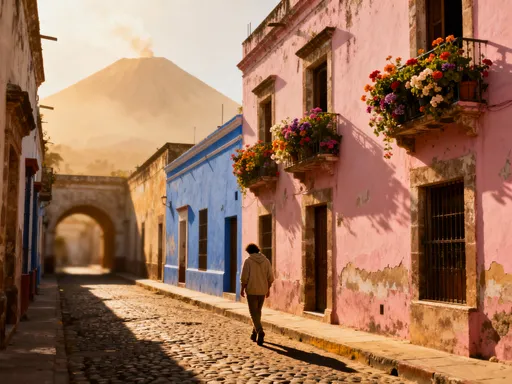
Walking through Medellín is like flipping through the pages of an evolving architectural story. In the historic center, colonial-era buildings with arched doorways, wrought-iron balconies, and clay-tile roofs stand as quiet witnesses to the city’s origins. Many of these structures have been preserved and repurposed—former homes now house museums, cafes, and cultural centers. The Plaza Botero, named after Fernando Botero, Medellín’s most famous artist, is surrounded by such buildings, including the Museo de Antioquia, which showcases both classical and contemporary works.
In contrast, neighborhoods like El Poblado and Envigado feature sleek, modern developments that reflect the city’s forward momentum. Glass façades, open floor plans, and rooftop gardens define the new aesthetic, where design prioritizes light, space, and sustainability. Some buildings incorporate passive cooling techniques, solar panels, and rainwater harvesting systems, aligning with global trends in eco-conscious architecture. What makes Medellín’s modern architecture stand out is its sensitivity to context—new structures are often built to follow the slope of the land, minimizing environmental disruption and maximizing views.
Among the most celebrated examples is the Biblioteca España in Santo Domingo, a striking complex of black pyramidal towers perched on a hilltop. Designed by renowned architect Giancarlo Mazzanti, the library serves as both a cultural hub and a visual landmark. Its bold form stands in dialogue with the surrounding landscape, appearing almost like a futuristic village emerging from the greenery. The building hosts reading rooms, workshops, and community events, embodying the idea that architecture can inspire learning and connection. In Medellín, the past is not discarded for the sake of progress; instead, tradition and innovation engage in a continuous, respectful conversation.
Experiencing the Cityscape: Best Times, Views, and Local Insights
To truly appreciate Medellín’s cityscape, timing and perspective matter. The best light for photography and sightseeing occurs during golden hour—just after sunrise and before sunset—when the valley is bathed in soft, warm hues. Early risers can witness the city emerge from morning mist, while evening visitors are rewarded with a gradual illumination as thousands of lights flicker to life across the hills. Weekdays tend to be less crowded at major viewpoints, though weekends offer a livelier atmosphere, especially in parks and cultural zones.
For panoramic views, start with Mirador Las Palmas in the western hills, where a spacious observation deck offers a sweeping vista of the entire valley. Another favorite is the rooftop bar at Hotel Charleston, located in El Poblado, which combines comfort with an unobstructed skyline view. Those seeking a more immersive experience should take the Metrocable to Santo Domingo or Arví, where the ascent itself becomes part of the journey. Along the way, look for small family-run kiosks selling fresh fruit, arepas, and tamales—perfect for a mid-adventure snack.
Navigating the city is safe and straightforward, especially in tourist-friendly areas. The metro system is clean, reliable, and well-marked in both Spanish and English. Taxis and ride-sharing apps like Uber operate widely and are affordable by international standards. For deeper cultural connection, consider joining a community-led tour in Comuna 13 or attending a local festival, such as the Feria de las Flores, an annual celebration featuring flower parades, music, and dance. These experiences go beyond sightseeing—they invite visitors to feel the rhythm of Medellín’s daily life.
When planning a visit, pack comfortable walking shoes—many of the best views require short hikes or stair climbing—and a light jacket, as evenings can be cool. Always carry water, especially when exploring higher elevations. Most importantly, approach the city with openness and respect. Medellín welcomes travelers not as spectators, but as guests in a story of resilience and renewal.
Medellín’s cityscape is more than just a pretty view—it’s a story of resilience, creativity, and human-centered design. Its hills whisper transformation, its streets pulse with energy, and its skyline reflects a future built on inclusion and beauty. This isn’t just a destination to see—it’s one to feel, understand, and remember.