The Hidden Cost of Living Luxe: What No One Tells You About High-End Spending
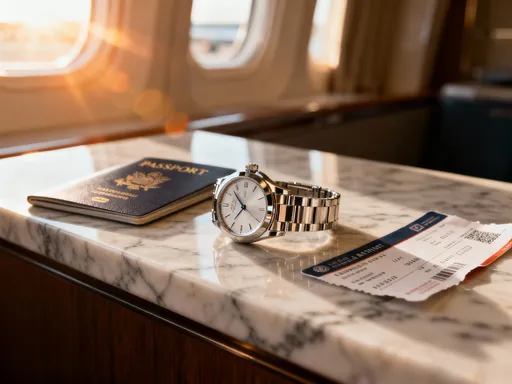
We all dream of luxury—the sleek watches, five-star getaways, designer closets. But behind the glamour lies a system most don’t see. I used to chase premium experiences, thinking they were worth every penny, until I started tracking the real costs. It wasn’t just about price tags—it was time, effort, and opportunity lost. This is a breakdown of how high-end consumption works from the inside, why it feels rewarding yet risky, and how to navigate it smarter—without falling into the prestige trap. What appears to be a celebration of success may, in fact, be quietly eroding financial freedom, one elegant purchase at a time.
The Allure of Premium: Why We Crave High-End Consumption
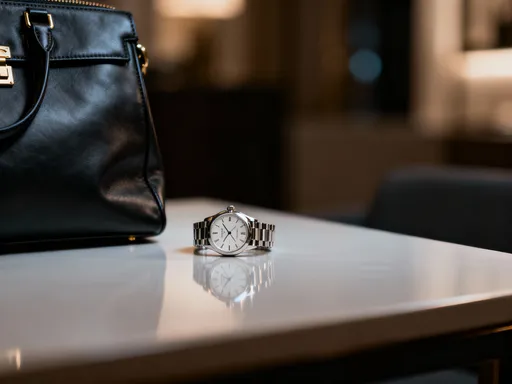
Luxury has long been more than a product—it is a symbol. The appeal of high-end spending is deeply rooted in human psychology and social behavior. When someone chooses a designer handbag, a limited-edition timepiece, or a private resort stay, they are often not just buying an object or experience, but a story: one of achievement, refinement, and belonging. These items serve as visible markers of success, silently communicating status to peers, colleagues, and even strangers. This form of nonverbal signaling is powerful, especially in environments where perception influences opportunity.
Marketing plays a crucial role in amplifying this desire. High-end brands invest heavily in imagery that associates their products with elegance, exclusivity, and emotional fulfillment. Advertisements rarely focus on function; instead, they evoke feelings—freedom, confidence, timelessness. A luxury car is not sold as a mode of transportation, but as a statement of independence. A five-star hotel is not just a place to sleep, but a sanctuary of indulgence. These narratives are carefully crafted to tap into aspirations, making the dream of luxury feel not only desirable but deserved.
Yet the line between aspiration and overextension is often thin. Many consumers begin with reasonable upgrades—a better smartphone, a tailored coat, a weekend escape—and gradually move toward more extravagant purchases. The initial satisfaction can be real: pride in ownership, admiration from others, a sense of arrival. But this emotional reward can mask underlying financial strain. The key distinction lies in whether the purchase delivers lasting value or merely momentary validation. Sustainable value considers longevity, utility, and alignment with personal goals, whereas aspirational buying is driven by fleeting emotions and external validation.
For many, especially women managing household budgets and long-term financial planning, the temptation to reward hard work with luxury is understandable. Raising children, maintaining a home, and often balancing careers can create a deep need for recognition. A high-end purchase may feel like a well-earned treat. But when such treats become routine, they shift from occasional joys to habitual expenses, quietly reshaping financial priorities. Recognizing the psychological drivers behind these choices is the first step toward making more intentional decisions.
Mapping the True Cost: Beyond the Price Tag
The sticker price of a luxury item is only the beginning. The true cost of high-end spending unfolds over time through a network of direct and indirect expenses that are often overlooked. Take, for example, a premium vehicle: the initial purchase may be $80,000, but over five years, costs accumulate through insurance premiums, specialized maintenance, depreciation, and fuel efficiency. These ongoing expenses can easily add tens of thousands of dollars, turning a single purchase into a long-term financial commitment. The same principle applies to luxury fashion, high-end electronics, and exclusive memberships.
Depreciation is one of the most significant yet invisible costs. Many luxury goods lose value the moment they are used. A designer handbag, for instance, may retain only 40 to 60 percent of its value on the resale market, depending on brand and condition. Unlike real estate or stocks, which may appreciate, most luxury items are consumption assets that decline in worth. This means the full purchase price is effectively a sunk cost, with little chance of recovery. The emotional satisfaction may last months, but the financial impact lingers for years.
Insurance and maintenance further compound the burden. High-value items often require specialized coverage, which comes at a premium. A fine watch may need annual servicing at hundreds of dollars per visit. A vacation home in a desirable location incurs property taxes, utilities, and management fees, even when not in use. These recurring costs reduce financial flexibility, tying up capital that could otherwise be invested or saved. Over time, the cumulative effect resembles what economists call “financial gravity”—a slow but steady downward pull on liquidity and growth potential.
Equally important is the concept of opportunity cost—the value of what you give up by choosing one option over another. Every dollar spent on a luxury purchase is a dollar not saved, invested, or used for essential needs. For instance, spending $5,000 on a designer wardrobe could mean forgoing a year’s contribution to a retirement account or a child’s education fund. When compounded over time, these trade-offs can significantly impact long-term financial security. The cost is not just in lost dollars, but in lost possibilities: the vacation that never happens, the business that isn’t started, the emergency fund that remains underfunded.
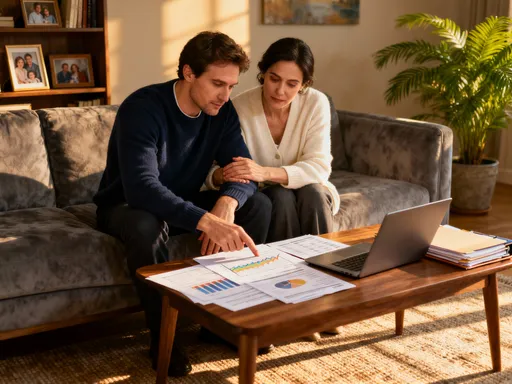
For women managing family finances, this broader view of cost is essential. Household budgets are often stretched thin, and discretionary spending must be weighed against practical needs. A luxury purchase may seem manageable in isolation, but when viewed as part of a larger financial ecosystem, its true impact becomes clear. By expanding the definition of cost beyond the checkout counter, consumers gain a more accurate picture of what luxury really demands.
The Luxury Loop: How Brands Keep You Coming Back
Luxury brands are not just selling products—they are cultivating relationships. The modern high-end experience is designed to create emotional attachment and repeat engagement. Loyalty programs, personalized service, exclusive events, and limited-edition releases all serve to deepen the consumer’s connection to the brand. These mechanisms go beyond simple marketing; they form an ecosystem that rewards continued spending and discourages exit. Once someone enters this loop, it becomes increasingly difficult to step away.
Consider the experience of a frequent luxury shopper. She may receive early access to new collections, invitations to private viewings, or complimentary alterations. Over time, these perks evolve from nice-to-haves into expectations. The brand begins to feel like a partner in her lifestyle, not just a vendor. This sense of belonging is powerful. Humans are social creatures, and the feeling of being “recognized” or “valued” by a prestigious brand can fulfill deep psychological needs. It reinforces identity and status, making the relationship feel personal and meaningful.
Brands also leverage scarcity and exclusivity to maintain desire. Limited runs, seasonal collections, and invitation-only launches create a sense of urgency. The fear of missing out—commonly known as FOMO—drives many to act quickly, often without full consideration of cost or need. A handbag available for only two weeks or a cruise reserved for top clients becomes more desirable precisely because it is hard to obtain. This artificial scarcity transforms shopping from a rational decision into an emotional chase.
Social pressure further reinforces the loop. When friends, colleagues, or social circles embrace luxury norms, opting out can feel like exclusion. A woman who stops attending high-end events or wearing designer labels may worry about being perceived as less successful or less engaged. These unspoken expectations can be more powerful than any advertisement. The desire to fit in, to be seen as part of a certain group, becomes a silent driver of spending. Over time, luxury consumption shifts from personal choice to social obligation.
Breaking free from this cycle requires awareness and intention. It means recognizing that the emotional rewards are often short-lived, while the financial commitments are long-lasting. It also means redefining what it means to belong—finding value in authenticity rather than appearance. By stepping back and assessing the true nature of the relationship with luxury brands, consumers can reclaim control over their choices.
Earning the Extra: Where Does the Money Really Come From?
The funding behind a luxury lifestyle is often more complex than it appears. While some individuals afford high-end spending through substantial income, many others rely on less visible sources: side hustles, credit, or deferred savings. The gap between visible wealth and actual financial health can be wide. A woman who posts photos from a luxury resort may be using a rewards credit card with high interest, or dipping into emergency savings meant for healthcare or home repairs. The lifestyle may look effortless, but the effort to sustain it is often hidden.
Lifestyle inflation—the tendency to increase spending as income rises—is a common driver of luxury consumption. When a raise or bonus arrives, it’s tempting to upgrade living standards: a larger home, a newer car, more frequent travel. While some upgrades are reasonable, unchecked inflation can erode long-term financial progress. Money that could have been invested in retirement accounts, college funds, or debt reduction is instead funneled into depreciating assets. Over time, this pattern creates a cycle where higher income leads to higher spending, but not necessarily greater security.
Many people fund luxury through debt, often without realizing the long-term cost. Premium credit cards with rewards points encourage spending by offering travel perks or cash back. But if balances are not paid in full, interest charges can quickly outweigh the benefits. A $3,000 vacation earned through points may cost $500 in interest if carried on a 17% APR card. Similarly, financing luxury goods through installment plans may seem manageable with low monthly payments, but the total cost over time can be significantly higher than the original price.
For families, this hidden strain can affect more than just the spender. Children may grow up with distorted views of money, equating happiness with consumption. Household budgets may become tight during unexpected expenses, simply because too much income is committed to maintaining a certain image. The pressure to keep up can lead to stress, secrecy, and even marital tension. Financial wellness is not just about income, but about balance—between earning, spending, and preserving.
Understanding the true source of luxury funding is essential for making informed choices. It requires honest self-assessment: Is this purchase coming from surplus, or from sacrifice? Is it enhancing life, or merely decorating it? By tracing the money trail, consumers can see whether their spending aligns with their values and goals.
Risk Exposure: When Luxury Becomes a Liability
What begins as a symbol of success can, under certain conditions, become a financial burden. Luxury items are often illiquid, meaning they cannot be easily converted into cash without significant loss. In times of economic stress—a job loss, medical emergency, or market downturn—this lack of liquidity can create serious challenges. A high-end watch or designer wardrobe may hold emotional value, but it cannot pay the mortgage or cover medical bills. Unlike stocks or savings accounts, luxury assets are not designed for financial rescue.
Resale markets for luxury goods are also unpredictable. While some brands maintain strong secondary values, others decline rapidly. Market trends, brand reputation, and even global events can impact demand. A handbag that was highly sought after five years ago may now be considered outdated. Reselling often requires time, effort, and fees, further reducing net returns. In some cases, the resale value may be less than half the original price, especially if the item shows signs of use.
Insurance for luxury items adds another layer of complexity. Policies must be carefully managed to ensure full coverage, and claims can be difficult to process. Some insurers require appraisals, secure storage, or proof of purchase, creating administrative hurdles. In the event of loss or damage, the payout may not fully restore the financial position, especially after deductibles and depreciation are factored in. This means that even with protection, luxury ownership carries inherent risk.
Economic downturns expose these vulnerabilities most clearly. During recessions, demand for nonessential goods declines, and high-end consumers may find themselves holding assets that are difficult to sell. At the same time, fixed costs—such as maintenance, storage, and insurance—continue to accrue. This combination can strain budgets and force difficult choices. The very items meant to symbolize stability can become sources of stress.
For women managing household resilience, this risk profile is particularly important. Financial security is not just about wealth, but about adaptability. A home with modest furnishings but a strong emergency fund is often better positioned than a luxurious home with thin savings. Recognizing that luxury can become a liability in crisis situations allows for more strategic planning today.
Smart Systems Over Splurges: Building Sustainable Value
The path to financial well-being is not about denying pleasure, but about prioritizing value. A smarter approach to luxury involves shifting from impulse to intention. This means evaluating purchases not by how they feel in the moment, but by how they serve long-term goals. One effective method is cost-per-use analysis: dividing the total cost of an item by the number of times it will be used. A $2,000 coat worn 200 times costs $10 per use, while a $500 coat worn 10 times costs $50 per use. By this measure, durability and frequency matter more than brand or price.
Delayed gratification is another powerful tool. Instead of buying immediately, waiting 30 days allows emotions to settle and priorities to clarify. Many find that the desire fades, revealing a want rather than a need. This pause creates space for reflection: Will this purchase improve daily life? Does it align with personal values? Can the money be better used elsewhere? These questions help filter out impulsive decisions and highlight truly meaningful investments.
Curated ownership—owning fewer, higher-quality items—is a sustainable alternative to constant consumption. A closet with five versatile, well-made pieces can be more functional and stylish than one overflowing with trendy but short-lived garments. The same principle applies to travel, technology, and home goods. Quality over quantity reduces clutter, saves time, and often saves money in the long run.
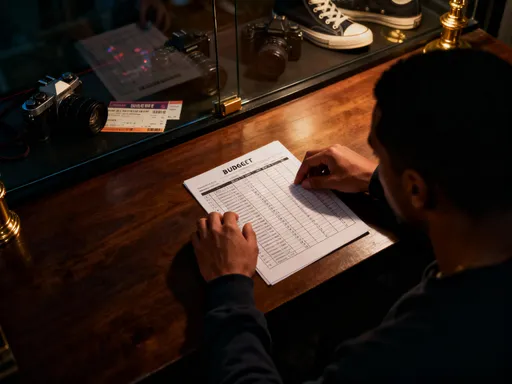
Finally, aligning spending with goals transforms luxury from a distraction into a tool. If travel is a priority, investing in a premium vacation makes sense. If family security is paramount, allocating funds to insurance or education is wiser. The key is intentionality: making choices that reflect what truly matters, rather than reacting to external pressures. By building systems—budgets, savings plans, value frameworks—consumers gain control over their financial narrative.
Redefining Wealth: Less About What You Spend, More About What You Keep
True wealth is not measured by what is displayed, but by what is preserved. A home filled with designer labels may impress visitors, but it does not guarantee peace of mind. Real financial strength lies in invisible assets: a growing retirement fund, a paid-off mortgage, a well-diversified portfolio. These are the foundations of long-term security and freedom. They do not come from splurges, but from consistent, disciplined choices.
The shift from image-driven spending to system-driven prosperity requires a change in mindset. It means valuing resilience over recognition, sustainability over spectacle. It means recognizing that the most powerful form of luxury is not a handbag or a vacation, but the ability to say no—to debt, to pressure, to trends. Financial independence offers a freedom that no brand can provide.
For women who manage the financial heart of the household, this perspective is especially valuable. It allows for a deeper sense of control and confidence. It means raising children with healthy money habits, planning for the future with clarity, and facing uncertainties with strength. The legacy built is not in possessions, but in stability, wisdom, and choice.
As you consider your next purchase, ask not just what it costs, but what it truly gives. Does it enrich your life, or merely decorate it? Does it serve your goals, or someone else’s image of success? By focusing on value over visibility, you move from being a consumer to being a steward of your financial future. That is the quiet luxury no advertisement can capture—the peace of knowing you are building something that lasts.