Luxury That Pays: How I Turned Splurges Into Smart Gains
Have you ever bought a luxury item and later wondered if it was worth it? I used to feel the same—until I learned how to treat high-end purchases as hidden financial moves. What if your next designer bag or timepiece didn’t just look good, but also held value—or even made money? This is not about reckless spending. It’s about strategic consumption, where luxury meets long-term value. The truth is, not all splurges vanish into thin air. Some, when chosen wisely, can retain or even grow in worth over time. By shifting how we view luxury—from pure expense to potential asset—we open the door to smarter, more intentional financial decisions. Let’s explore how to turn thoughtful indulgence into lasting value.
The Hidden Truth Behind Luxury Spending
Luxury spending is often dismissed as emotional, impulsive, or financially irresponsible. Yet beneath the surface of what appears to be mere indulgence lies a more nuanced reality: some luxury items do not behave like typical consumer goods. Unlike cars, which lose value the moment they leave the dealership, or electronics that become obsolete within a few years, certain high-end products have demonstrated the ability to hold—or even increase—their market value over time. This phenomenon transforms the conversation from one of cost to one of potential return. When approached with knowledge and discipline, a luxury purchase can function less like an expense and more like a tangible asset.
The key to this shift in perspective lies in understanding what drives value retention in the luxury market. It is not simply the price tag or the brand name that matters most, but rather a combination of scarcity, craftsmanship, brand equity, and cultural relevance. Items that are produced in limited quantities, made with exceptional materials, and backed by a heritage of excellence often command lasting demand. Over decades, watches from Patek Philippe, handbags from Hermès, and fine jewelry from Cartier have not only maintained their prestige but also shown measurable appreciation in resale markets. These are not fleeting trends; they are enduring symbols of quality and exclusivity.
For the financially aware consumer, this opens a new dimension of decision-making. Instead of asking only whether an item fits their style or budget, they can also evaluate whether it has the potential to preserve capital. This does not mean treating every purchase as an investment—most should still be viewed as personal enjoyment—but it does mean recognizing that some categories offer dual benefits: immediate pleasure and long-term value. The mindset shift is subtle but powerful. Rather than seeing luxury as a drain on resources, it becomes a selective, intentional act of value alignment. And once you begin to see luxury through this lens, the way you shop—and spend—begins to change.
Why Not All Luxury Holds Value (And How to Spot the Difference)
It’s important to recognize that not every expensive item is built to last in value. In fact, the majority of luxury goods depreciate significantly after purchase, especially once they leave the store. A designer dress, no matter how exquisite, may lose most of its worth after a single wear. A high-end blender, despite its premium price, follows the same depreciation curve as any kitchen appliance. The distinction lies in whether the item is mass-produced or rare, trend-driven or timeless, and whether it benefits from strong secondary market demand. Understanding these differences is essential to avoiding costly mistakes disguised as savvy shopping.
Several factors determine whether a luxury item will retain or grow in value. First is rarity. Limited production runs, special editions, or discontinued models tend to appreciate because supply is constrained while demand may remain steady or increase. Second is authenticity and documentation. Items that come with original certificates, purchase receipts, and service records are more likely to be trusted in the resale market. Third is condition. A pristine item stored with its original box, dust bag, and accessories will always command a higher price than one that shows signs of wear. Finally, brand consistency plays a crucial role. Houses that maintain strict control over distribution, uphold craftsmanship standards, and avoid overexposure in discount channels tend to preserve the perceived value of their products.
Consider two handbags: one from a trendy brand that floods the market with seasonal releases, and another from a house like Hermès, which limits availability and maintains years-long waiting lists. The former may be popular today but could be nearly worthless in five years. The latter, even when pre-owned, often sells for at or above retail. Similarly, a limited-edition Rolex released in small numbers may become highly sought after, while a more common luxury watch from a less selective brand may lose value quickly. The lesson is clear: price alone does not indicate long-term worth. It is the interplay of scarcity, quality, and market perception that separates true value-preserving assets from depreciating splurges.
From Handbags to Watches: The Top Categories That Can Appreciate
Among the many categories of luxury goods, two stand out for their proven ability to appreciate: premium timepieces and iconic handbags. These are not just fashion accessories—they are among the few consumer products that have developed robust, transparent, and liquid secondary markets. Over the past two decades, both sectors have seen growing interest from collectors, investors, and everyday consumers who recognize their dual role as style statements and tangible assets.
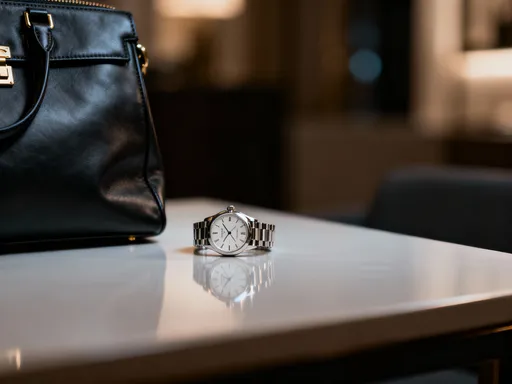
High-end watches, particularly from Swiss manufacturers like Rolex, Patek Philippe, and Audemars Piguet, have long been regarded as storehouses of value. Models such as the Rolex Submariner, Daytona, and GMT-Master II frequently sell for multiples of their original retail price on the secondary market, especially when they are part of limited runs or have unique features. This is due in part to the brands’ controlled production, which creates artificial scarcity, and their reputation for precision engineering and durability. A well-maintained watch, serviced regularly and kept in excellent condition, can last for generations—making it both a functional heirloom and a potential financial asset.
Similarly, certain handbags have demonstrated remarkable staying power in value. The Hermès Birkin and Kelly bags, for example, are legendary for their appreciation. Due to strict allocation policies and years-long waitlists, these bags rarely appear at retail prices once sold. In the resale market, they often command premiums of 50% to 200% or more, depending on materials, color, and hardware. Chanel’s Classic Flap and 2.55 bags have also shown strong value retention, particularly in classic colors and with authentication papers. These pieces benefit from timeless design, high-quality leathers, and brand prestige that transcends fashion cycles.
What makes these categories especially compelling is the existence of trusted resale platforms and authentication services that bring transparency and confidence to transactions. Unlike many other luxury items, buyers and sellers can access pricing data, condition guides, and expert verification—making it easier to assess fair market value. For the informed buyer, this means greater control over risk and return. While no purchase should be made solely for financial gain, choosing items within these categories—especially those with historical performance—can add a layer of financial prudence to what might otherwise be seen as pure indulgence.
Timing Your Purchase: When to Buy (and When to Wait)
Even the most coveted luxury item can underperform if purchased at the wrong time. Just like stocks, real estate, or commodities, the luxury market operates in cycles influenced by supply, demand, brand strategy, and broader economic conditions. Buying during a peak of popularity—when hype is high and resale prices are inflated—can lead to disappointment if the trend fades or new models flood the market. Conversely, purchasing during a lull, before a brand refresh, or just after a discontinuation can offer significant value and set the stage for future appreciation.
One effective strategy is to monitor brand announcements and product lifecycles. When a manufacturer signals that a model is being discontinued, existing versions often begin to rise in value due to anticipated scarcity. For example, when Rolex phased out the stainless steel Daytona with the “Panda” dial, prices in the secondary market surged as collectors rushed to acquire the final pieces. Similarly, when Hermès quietly retires a particular leather or color combination, previously overlooked bags can become highly desirable. Being attentive to these shifts allows buyers to position themselves ahead of market movements.
Economic factors also play a role. During periods of inflation or currency instability, tangible assets like luxury watches and handbags often gain appeal as stores of value. In contrast, during economic downturns, demand for non-essential goods may decline, creating opportunities for patient buyers to enter the market at lower prices. Additionally, global events—such as changes in import tariffs, trade policies, or shifts in consumer behavior in key markets like China or the United States—can influence availability and pricing.
Another consideration is market saturation. When a particular model becomes too common—due to increased production or widespread popularity—its exclusivity diminishes, and so does its resale potential. The “it bag” of one season may be ubiquitous the next, losing its allure. Smart buyers avoid chasing trends and instead focus on timeless designs with proven longevity. By waiting for the right moment—when demand is steady but not frenzied, and supply is limited—buyers can maximize their chances of achieving value preservation or growth. Patience, in this context, is not just a virtue; it is a financial strategy.
The Resale Reality: Platforms, Fees, and Getting Fair Value
Eventually, the time may come to part with a luxury item. Whether due to changing tastes, financial needs, or simply the desire to rotate a collection, selling a high-end piece requires careful planning to ensure fair value. Not all resale channels are created equal—each comes with its own fees, reach, and level of buyer trust. Choosing the right platform can make the difference between a smooth, profitable transaction and a frustrating, undervalued sale.
Authorized dealers and brand boutiques sometimes offer trade-in or buyback programs, particularly for watches. These options provide convenience and authenticity verification but may offer lower returns, as the dealer needs to account for refurbishment and resale margins. Auction houses like Sotheby’s or Christie’s specialize in high-value, rare items and can achieve premium prices, especially for vintage or historically significant pieces. However, they typically charge seller commissions ranging from 10% to 25% and may require items to meet strict provenance and condition standards.
Online resale platforms have grown in popularity and reliability. Sites like Rebag, Fashionphile, and WatchBox offer curated marketplaces with authentication services, making them accessible to a broad audience. These platforms often provide instant quotes or consignment options, allowing sellers to choose between speed and maximum return. Peer-to-peer marketplaces like eBay or specialized forums can yield higher prices but require more effort in terms of photography, description, and buyer vetting. They also carry higher risks of fraud or disputes without proper safeguards.
To maximize value, sellers should present their items in the best possible light. Original packaging, instruction manuals, warranty cards, and service records significantly enhance appeal and trust. A watch with a full service history from an authorized center, for instance, will attract more interest and command a higher price than one without documentation. Similarly, a handbag with its dust bag, lock, key, and authenticity card is more likely to sell quickly and at a premium. Proper storage, regular maintenance, and careful use all contribute to preserving both physical condition and market value. In the world of luxury resale, details matter—and they pay.
Risk Control: Why This Isn’t a Get-Rich-Quick Scheme
It’s essential to approach luxury asset investing with clear eyes and realistic expectations. While there are documented cases of handbags and watches doubling or tripling in value, these are not guaranteed outcomes. The luxury market is influenced by unpredictable factors—shifting tastes, brand missteps, economic downturns, and the proliferation of counterfeit goods. What is valuable today may not be tomorrow, and liquidity can vary widely depending on the item and market conditions.
One of the biggest risks is emotional attachment. When a purchase is made out of love for the item—whether for its design, craftsmanship, or personal significance—it can be difficult to sell at the optimal time. Sentimentality may lead owners to hold onto pieces too long or reject reasonable offers, missing opportunities to realize gains. Conversely, overconfidence in an item’s future value can lead to overpaying at purchase, especially in a heated market. Discipline and objectivity are critical to avoiding these pitfalls.
Another risk is market saturation and fraud. As demand for luxury resale has grown, so has the number of counterfeit items entering the market. Even experienced buyers can be deceived without proper authentication. Using trusted platforms, seeking third-party verification, and staying informed about common fakes are essential precautions. Additionally, overconcentration in a single category or brand increases vulnerability to market shifts. Just as with traditional investing, diversification reduces risk.
Most importantly, luxury asset investing should never replace a well-diversified financial portfolio. It is best viewed as a complementary strategy—suitable for surplus funds that can be locked up for years without impacting financial stability. Returns are uncertain, and the market is less regulated than stocks or bonds. Treating it as a hobby with financial upside, rather than a primary wealth-building tool, helps maintain balance and perspective. When done responsibly, it can be both rewarding and enriching—but it is not a shortcut to wealth.
Building a Sustainable Strategy: Balance, Diversification, and Mindset
True financial wisdom lies not in avoiding luxury, but in integrating it thoughtfully into a broader strategy of wealth management. The goal is not to eliminate spending on beautiful or meaningful things, but to align those expenditures with long-term value and personal fulfillment. A sustainable approach begins with discipline: allocating only discretionary income to luxury purchases, never using debt, and maintaining a clear distinction between wants and needs.
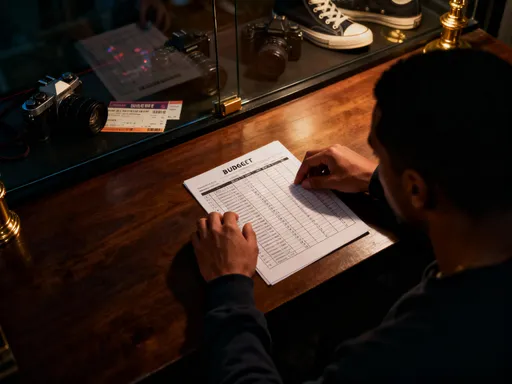
One effective method is to treat a luxury collection like a mini-portfolio. Track purchases, monitor resale values, and periodically assess performance—just as one would with stocks or real estate. This brings accountability and insight, helping to identify patterns of success or areas for improvement. Over time, this practice fosters greater intentionality, reducing impulse buys and increasing confidence in decisions.
Diversification remains key. While watches and handbags have strong track records, spreading interest across categories—such as fine jewelry, rare pens, or collectible sneakers—can mitigate risk and broaden enjoyment. Each category has its own market dynamics, entry points, and holding periods. A balanced collection reflects both personal taste and strategic thinking.
Finally, mindset matters. Shifting from consumption to curation changes the relationship with material goods. Instead of chasing the new, there is satisfaction in owning pieces that endure—both in quality and value. This approach fosters patience, appreciation, and financial awareness. Luxury, when approached with purpose, becomes more than a symbol of status; it becomes a reflection of values, foresight, and intention. It is not about spending less—it is about spending wisely, with clarity and confidence, turning moments of indulgence into lasting legacies.